CSR ImplementationSocial DevelopmentWorking across India

CSR implementation rooted in communities. Built on accountability.

Connecting Communities | Shaping Our Future

Bella Foundation works at the intersection of corporate social responsibility and community development. We support the planning, implementation, monitoring and documentation of social initiatives designed around real community needs.

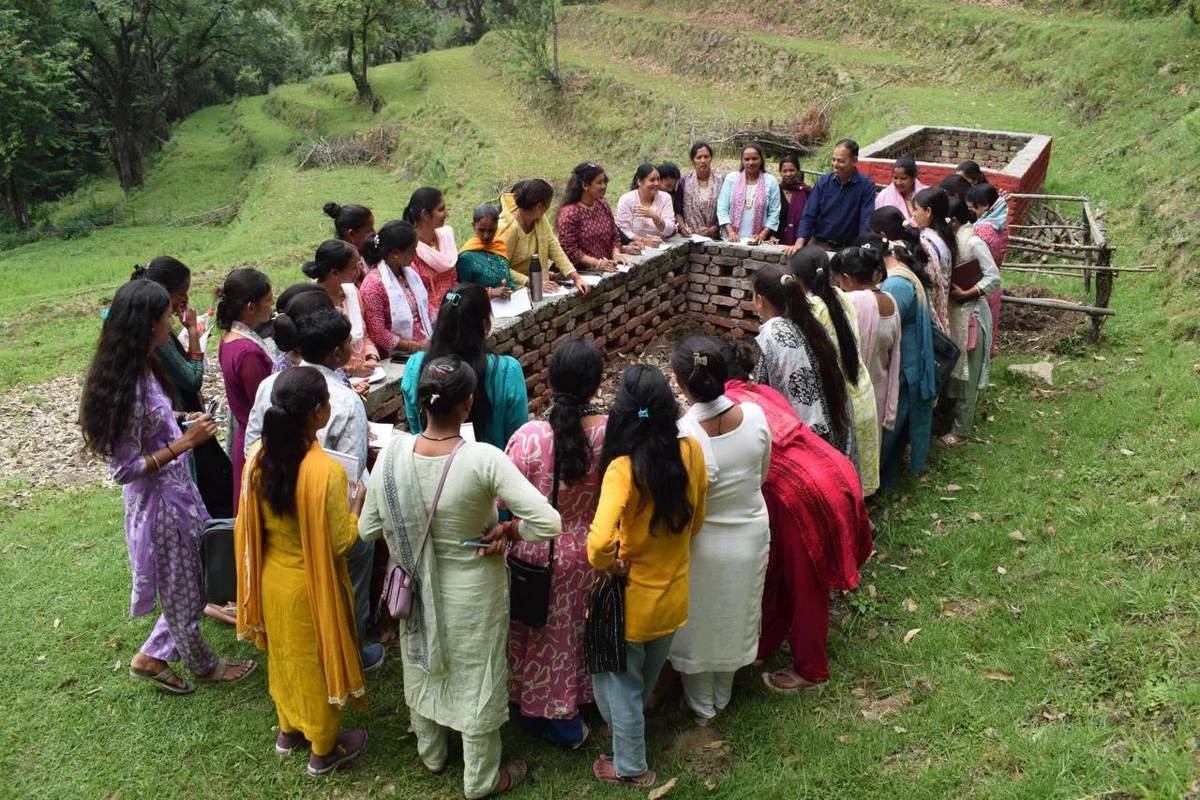
A group learning session beside a compost pit on terraced land
  • What we do

    Plan, implement, monitor and document CSR and community development programmes.

  • Thematic focus

    Six programme areas, each referenced to Schedule VII of the Companies Act, 2013.

  • Where

    Headquartered in Dehradun. We take up programmes in any state or Union Territory of India.

  • Who can partner

    Corporate CSR teams, institutions, NGOs and community organisations.

About Us

Bridging corporate responsibility and community development.

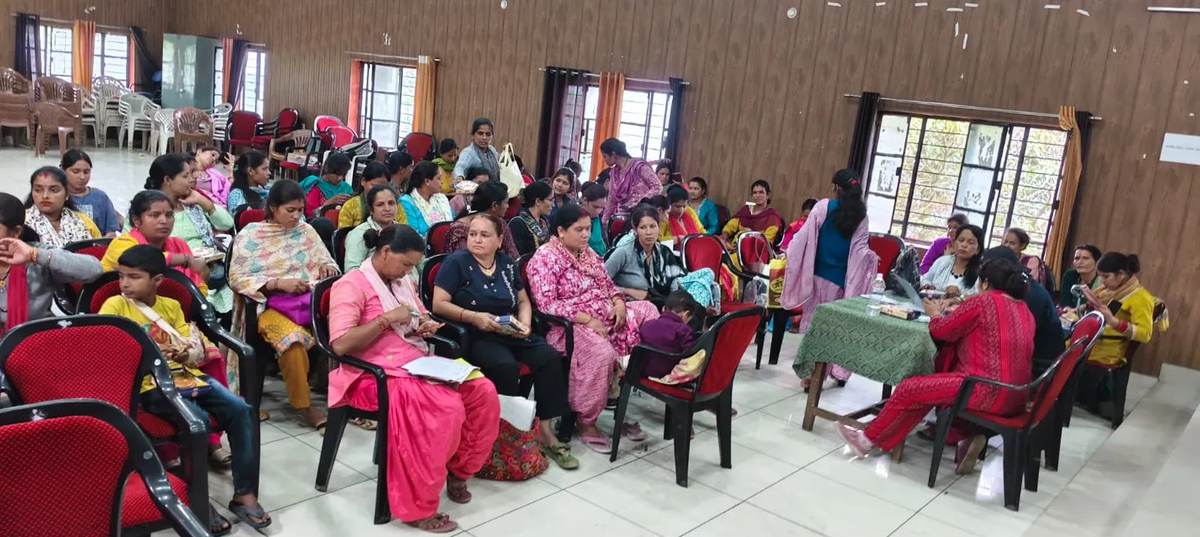
Women attending a training session
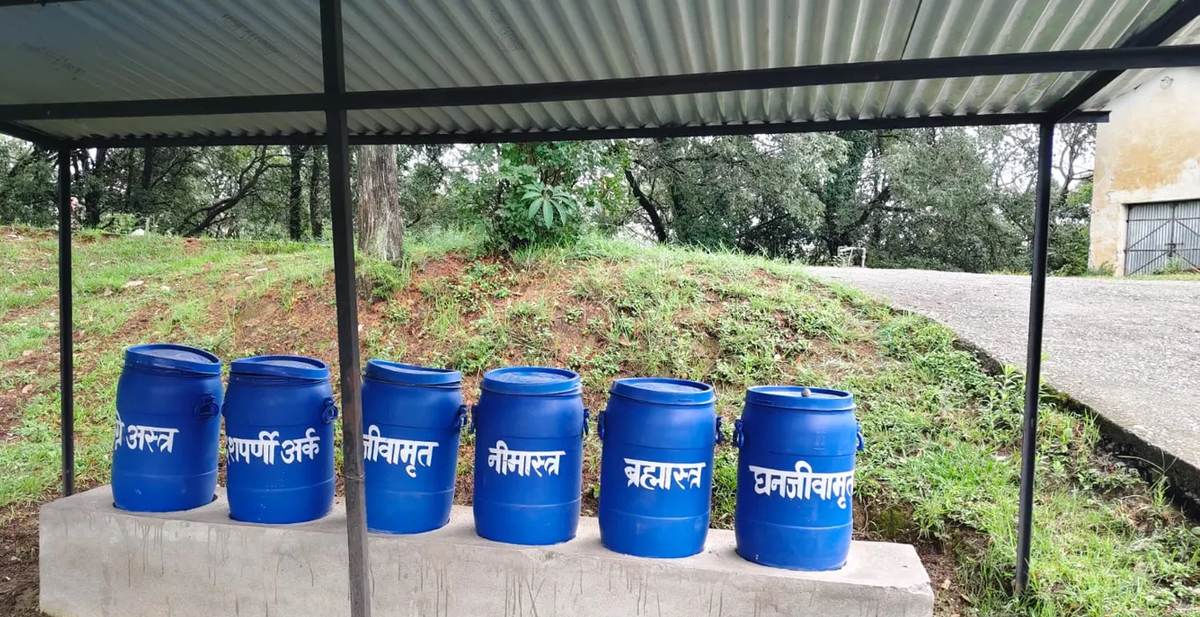
Bio-input preparation units for natural farming

Bella Foundation is a CSR implementation and social development organisation headquartered in Dehradun and open to programmes anywhere in India. We work with companies and institutions to plan, deliver, monitor and document social initiatives — and we work alongside communities, so that each initiative answers a need people have named themselves.

The need. Rural and underserved communities across India face connected challenges: distance from schools and health facilities, limited local employment, pressure on farm incomes and water sources, and the migration that follows. No two places are alike, so each programme is designed for local conditions rather than adapted from a standard template.

Our approach. We listen before we plan. Farmers, women's groups, teachers and local institutions help shape a programme and take part in delivering it, as partners rather than recipients.

Our role in CSR. For corporate partners we provide the structure a CSR programme requires: defined objectives, budgets and schedules, field coordination, progress monitoring, and documentation that supports the company's own reporting.

The long view. Continuity and handover are planned at the design stage, because the worth of a programme is decided by what a community can carry forward once the project period ends.
Our Vision

Communities with the capability and opportunity to shape their own development.

An India in which access to education, healthcare, livelihoods and a healthy environment does not depend on where a family lives, and in which communities lead the decisions that affect them.

Our Mission

To plan and deliver accountable social programmes with communities and partners.

We identify needs through consultation, design programmes that respond to them, implement responsibly with appropriate partners, monitor progress against agreed indicators, and report results clearly.

  • i.

    Integrity

    Commitments are stated realistically and reported as they are, including shortfalls.

  • ii.

    Transparency

    Budgets, utilisation and decisions are documented and open to the partners concerned.

  • iii.

    Participation

    Communities are consulted in planning and involved in delivery.

  • iv.

    Accountability

    Every activity and every rupee is supported by a record.

  • v.

    Sustainability

    Continuity and handover are planned from the design stage.

Development is done with communities, never merely for them.

The principle behind every programme

Our Focus Areas

Six programme areas for community development.

These are the thematic areas in which Bella Foundation designs and proposes programmes. Each card sets out the development objective, the type of interventions involved and the outcomes a programme would be measured against.

01

Education and Learning

Supporting equitable access to quality education for children in underserved communities.

Interventions
School infrastructure, learning resources, foundational literacy and numeracy, digital education and targeted academic support.
Intended outcomes
Improved attendance, measurable gains in learning levels and higher transition to the next stage of schooling.

Thematic reference: Schedule VII, item (ii)

02

Healthcare and Sanitation

Improving access to preventive healthcare, safe drinking water and sanitation.

Interventions
Health camps and screening, health and nutrition awareness, water and sanitation facilities in schools and villages, and linkage with public health services.
Intended outcomes
Earlier detection and referral, improved hygiene practices and greater use of existing public health services.

Thematic reference: Schedule VII, item (i)

03

Women's Empowerment

Strengthening women's economic participation and their role in household and community decisions.

Interventions
Self-help group strengthening, financial and digital literacy, enterprise and market support, and leadership training.
Intended outcomes
Higher and more regular incomes, access to institutional credit and participation in local institutions.

Thematic reference: Schedule VII, item (iii)

04

Environment and Sustainability

Conserving the natural resources on which rural communities depend.

Interventions
Plantation and agroforestry, spring and water-source conservation, soil health and natural farming practices, and waste management.
Intended outcomes
Improved water availability, tree cover and soil health, with upkeep managed by the community.

Thematic reference: Schedule VII, item (iv)

05

Rural Development and Livelihoods

Improving rural household incomes and basic community infrastructure.

Interventions
Farmer training, input and market linkages, support for farm and off-farm enterprises, and shared community facilities.
Intended outcomes
Increased and more diversified household income, and reduced distress migration.

Thematic reference: Schedule VII, item (x)

06

Skill Development

Building employable skills among young people and women.

Interventions
Vocational training, digital skills, certification, and placement or self-employment support.
Intended outcomes
Trainees certified, placed or self-employed, with income tracked after training.

Thematic reference: Schedule VII, item (ii)

These cards describe proposed programme areas and intended outcomes, not completed projects. A Schedule VII reference indicates thematic alignment only; it is separate from an organisation's eligibility to receive and implement CSR funds, which is addressed under Governance.

CSR Partnerships

Partnering for responsible, measurable social development.

Bella Foundation offers three models of engagement to companies and institutions. A partner may take up one model or combine them; in each case the scope, budget and reporting requirements are set out in a written agreement before work begins.

Partnership model

Programme Design and Development

Collaborative planning of initiatives aligned with a company's CSR priorities and with community requirements identified on the ground.

  • Needs assessment and baseline
  • Project proposal and budget
  • Schedule VII thematic mapping
  • Indicators and reporting plan

Partnership model

Implementation Partnerships

Support for coordinating and delivering approved projects through appropriate local institutions and implementation arrangements.

  • Field-level coordination
  • Engagement with local institutions
  • Activity and resource management
  • Community participation

Partnership model

Monitoring and Documentation

Structured progress reviews, field documentation and outcome reporting based on the requirements agreed for the project.

  • Milestone and progress reviews
  • Field verification and photographs
  • Activity and utilisation records
  • Outcome summaries

Planning a CSR programme?Share your thematic priorities, geography and timeline. These are the partnership models we offer; they do not represent existing contracts.

Discuss a CSR Partnership
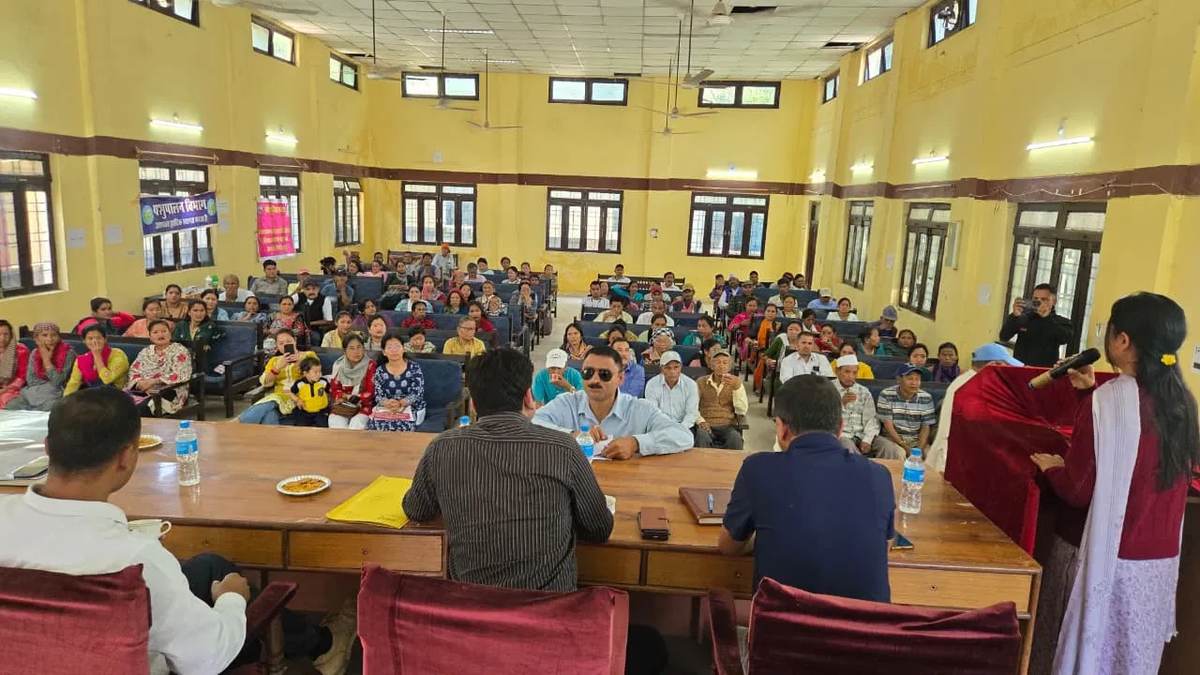
A public meeting with farmers and residents

Working commitments

What a partner can expect from us.

  1. 01

    A written scope and budget

    Objectives, activities, timelines and costs are agreed and documented before implementation starts.

  2. 02

    A named point of contact

    One person is accountable to the partner for each project and its milestones.

  3. 03

    Reporting at agreed intervals

    Progress, expenditure and field observations are reported on the schedule set in the agreement.

  4. 04

    Records open to review

    Activity records, attendance, photographs and utilisation documents are maintained and available to the partner.

  5. 05

    Community participation

    Communities and local institutions are consulted at the planning stage and involved through delivery.

Our Approach

A five-stage programme delivery framework.

Every programme we undertake follows the same sequence, so that a partner knows at any point which stage a project has reached, what has been documented and what comes next.

  1. Stage 01

    Community Needs Assessment

    Establishing what a community needs, what it already has and who should be involved, before any plan is drafted.

    • Activities
    • Stakeholder consultations
    • Community surveys
    • Needs identification
    • Baseline assessment
  2. Stage 02

    CSR Programme Planning

    Converting assessment findings and the partner's CSR priorities into a project that can be approved, budgeted and tracked.

    • Activities
    • Programme objectives
    • Project proposals
    • Implementation schedules
    • Budget planning
    • Indicative outcome metrics
  3. Stage 03

    Programme Implementation

    Delivering the approved plan on the ground with local institutions, under defined supervision and with the community's participation.

    • Activities
    • Field-level coordination
    • Stakeholder engagement
    • Resource allocation
    • Operational supervision
    • Community participation
  4. Stage 04

    Monitoring and Evaluation

    Tracking progress against the plan during implementation, verifying it in the field and correcting course while there is time to do so.

    • Activities
    • Milestone tracking
    • Progress documentation
    • Field-level verification
    • Outcome measurement
    • Corrective action
  5. Stage 05

    Reporting and Accountability

    Providing the partner with a complete, documented account of what was done, what was spent and what changed.

    • Outputs
    • Activity reports
    • Expenditure documentation
    • Utilisation reporting
    • Outcome summaries
    • Supporting CSR documentation

Monitoring and statutory impact assessment are separate activities

The monitoring and evaluation described at Stage 04 is routine programme management carried out during implementation. Where a company is required to undertake an impact assessment under the Companies (Corporate Social Responsibility Policy) Rules, 2014, that assessment is carried out by an independent agency appointed by the company. Our records and reports can support such an assessment, but do not replace it.

Projects & Impact

Measuring what matters.

We do not publish impact figures that cannot be supported by records. The framework below sets out how results are defined, evidenced and assessed in each programme.

  1. Defined objectives

    What the programme is expected to change, for whom and by when — agreed with the partner before implementation.

    EvidenceApproved project proposal
  2. Measurable indicators

    A limited set of output and outcome indicators, each with a baseline value and a target.

    EvidenceBaseline report and indicator sheet
  3. Documented implementation

    Activity records, attendance, dated photographs and expenditure documents maintained through the project period.

    EvidenceProgress reports and utilisation records
  4. Outcome assessment

    End-of-period comparison against the baseline, with shortfalls and learning reported alongside results.

    EvidenceOutcome summary for the partner
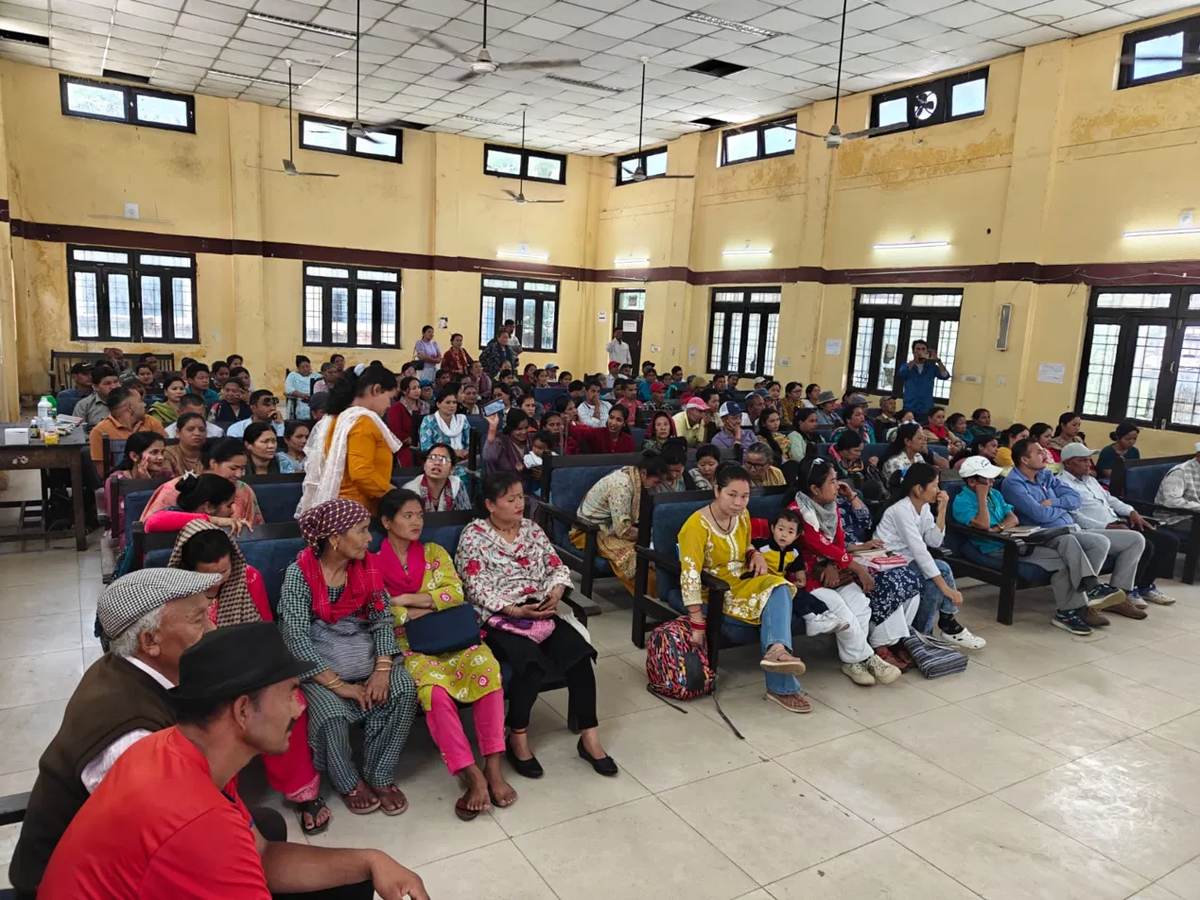
Community members attending a public meeting
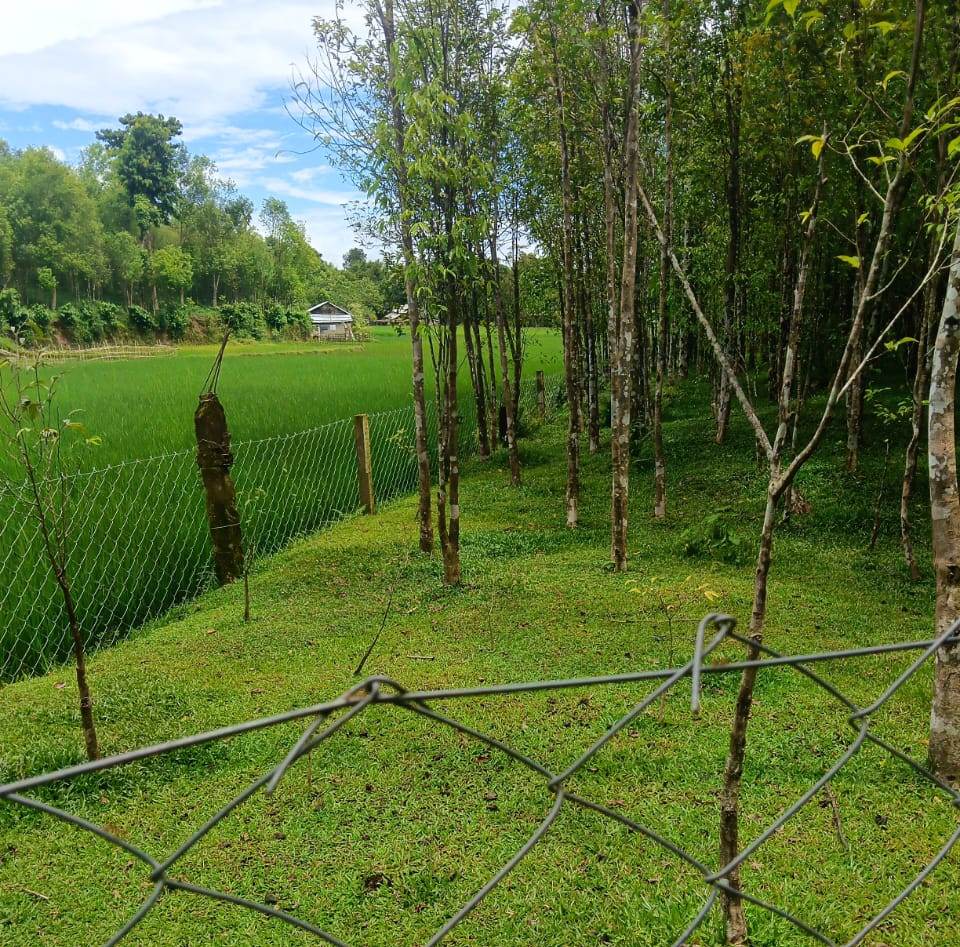
Plantation beside paddy fields, Kadamtala, Tripura

Photographs: community meetings and farmer training programmes in Uttarakhand, and plantation sites in Kadamtala, Tripura.

The Projects & Impact page has an interactive map of India showing where project records have been published, with details for each project.

Explore All Projects

Institutional

Governance, transparency and accountability.

Partners are entitled to verify who they are working with. This section sets out how we approach responsible operations, together with the foundation's registration details.

  • Responsible operations

    Programme funds are budgeted, approved and accounted for project by project, with supporting documents retained for review.

  • Financial transparency

    Utilisation is reported against the approved budget. Annual reports and audited statements will be published here once finalised.

  • Support for partner due diligence

    Registration and statutory documents are shared with prospective partners on request, as part of their own verification process.

Alignment with Schedule VII describes the subject of a programme. Whether an organisation may act as an implementing agency for a company's CSR funds depends on its legal form and registrations under the Companies (CSR Policy) Rules, 2014, including Form CSR-1 and the applicable income-tax registrations. Partners should confirm these directly with us before committing funds.

Registration details

As registered
  • Legal formSection 8 company under the Companies Act, 2013 · incorporated 5 September 2026CIN U01611UT2026NPL022219
  • PANPermanent Account NumberAAPCB1169B
  • TANTax Deduction and Collection Account NumberMRTB11003G
  • Section 12A registrationIncome-tax Act, 1961AAPCB1169BF2026102
  • Section 80G approvalIncome-tax Act, 1961 · validity 2026–2028AAPCB1169BF2026101
  • NGO Darpan IDNITI Aayog NGO Darpan portalUK/2026/1212415

Copies of the certificates are shared with prospective partners on request. Write to info@bellafoundation.in.

Contact

Start a partnership conversation.

Tell us what you are planning — thematic area, geography, timeline and budget range, if known. A member of our team will reply with what is feasible and what it would require.

Open in Google Maps

Send an enquiry

Your enquiry is sent to the Bella Foundation team at info@bellafoundation.in.